Port and the Clyde
The Port of Greenock and the Clyde
Cruise calls, cargo and the industrial memory of the river: the Clyde economy of Greenock, from Ocean Terminal to James Watt Dock.
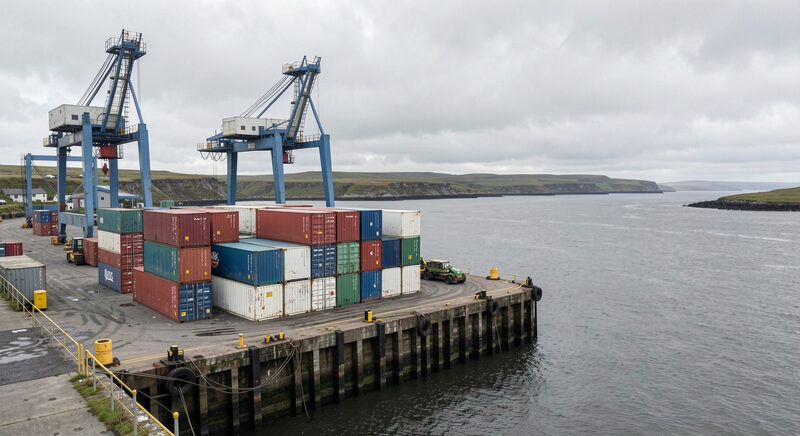
The river desk covers the reason Greenock exists: deep water on the Clyde. The port trades, the cruise ships call and the industrial past sits in the shoreline, and this section of The Greenock Ledger follows all three, from the containers and gangways of the working river to the memory of the yards and refineries that built the town.
What the desk covers
The desk covers the river economy in three layers. The working river: container and cargo movements, ferry operations, marine services and the repair trades that keep hulls sound. The visitor river: the cruise season, its terminal, its passenger flows and the money they leave ashore. The remembered river: the shipbuilding and sugar centuries whose physical remains still shape the waterfront and whose skills still shape the workforce. Coverage is written from the quay, in the third person, with the port's operators and firms described from the outside.
The stories on the desk
Three pieces anchor the section at launch. Greenock Cruise Terminal and the Visitor Economy explains the passenger business: where ships berth, what the multimillion pound upgrade bought, what a call day looks like and where the money lands. Shipbuilding on the Clyde: the Greenock Years tells the yard story from the 1710s to the closures, the war work and the Blitz, and the marine trades that survived. From Sugaropolis to the Cruise Age, the long history of the trading town, sugar included, carries the arc that joins them.
Why the river decides the town
Greenock's economy has always been whatever the Clyde made it. The deep water that carried the tobacco and sugar trades described in From Sugaropolis to the Cruise Age later carried the output of the yards, and now carries containers, ferries and cruise passengers. When the river trades contracted, the town contracted with them; when the port invests, the town feels it first in employment and last in confidence. The firms that serve the river, from repairers to agents, are followed at Inverclyde Companies, and their apprenticeship pipelines at Apprenticeships in Inverclyde: the Routes In.
Who runs the river now
The port of Greenock is operated within the Peel Ports group, whose Scottish holdings include the Clyde terminals, and the cruise and cargo schedules are published through the operator's own channels, primary reading this desk links in every relevant piece. Ferries connect the town across the firth, the container terminal handles unitised freight, and the repair yards of the upper firth keep the marine engineering tradition alive. Around the operators sit the agents, stevedores, hauliers and service firms whose employment the desk counts as the river's local footprint.
How the desk works
The desk reads schedules, port announcements, company reports and the planning record, and writes what it finds with dates and sources. Numbers are used where they can be verified and avoided where they cannot, and the desk does not accept paid coverage from any operator, carrier or attraction. Where a development changes the river's shape, a new berth arrangement, a terminal investment, a service withdrawn, the desk covers it as business news, not as promotion, and the record accumulates through the news index.
Reading the desk
The reader betting on the river starts with the cruise economy piece, then the shipbuilding history for the long view, then the trading history for the arc that joins sugar to sailings. The reader employing on the river follows the skills desk at Skills and the Young Workforce; the reader funding a river facing venture follows Business Support and Funding in Scotland. The journal, its standards and the address behind it, is described on the about page.
-
Port and the Clyde
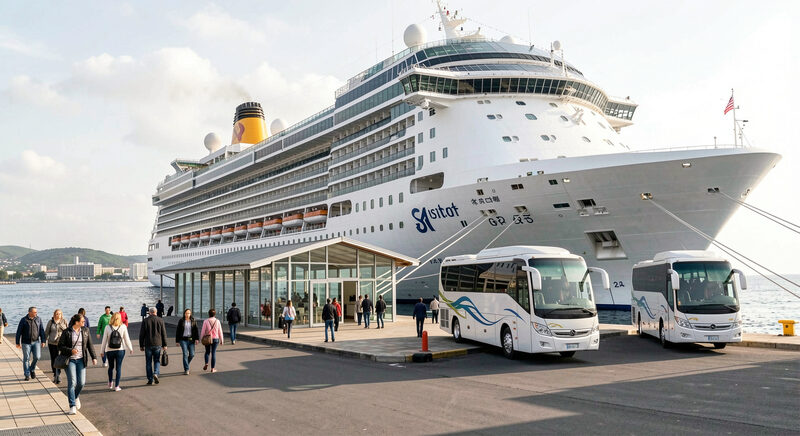
Greenock Cruise Terminal and the Visitor Economy
Cruise ships call at Greenock through the season: how the terminal works, what passengers do ashore and the links to Glasgow and the Clyde.
Ships, passengers and the money they leave ashore.
-
Port and the Clyde
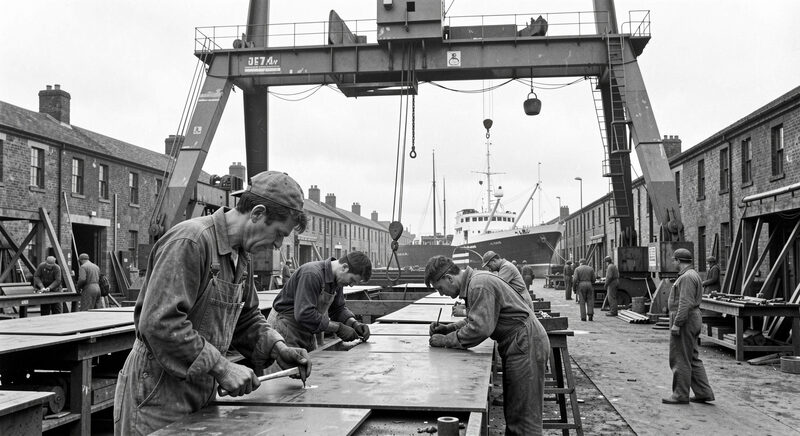
Shipbuilding on the Clyde: the Greenock Years
Scotts of Greenock launched ships for two centuries: the yard years, the naval work, the closures and the skills that stayed in the town.
Two centuries of launches, and the skills that stayed.
-
Port and the Clyde
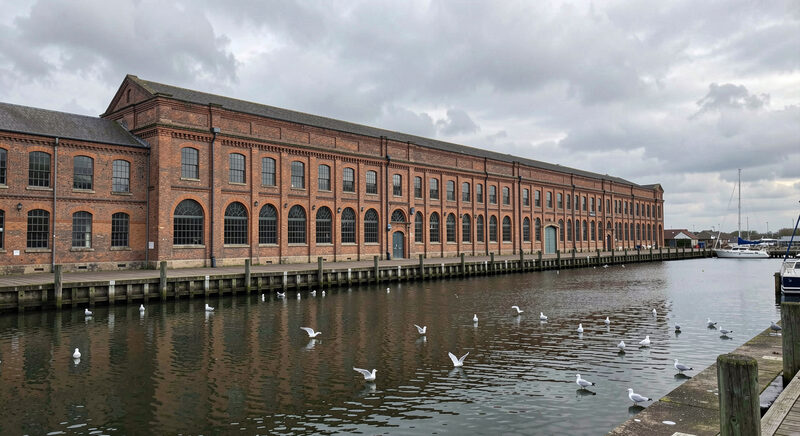
From Sugaropolis to the Cruise Age
Greenock grew rich on sugar, ships and dock trade while its chamber of commerce, founded in 1813, watched over the quays: the story under the town.
Sugar, ships and the chamber of 1813.